

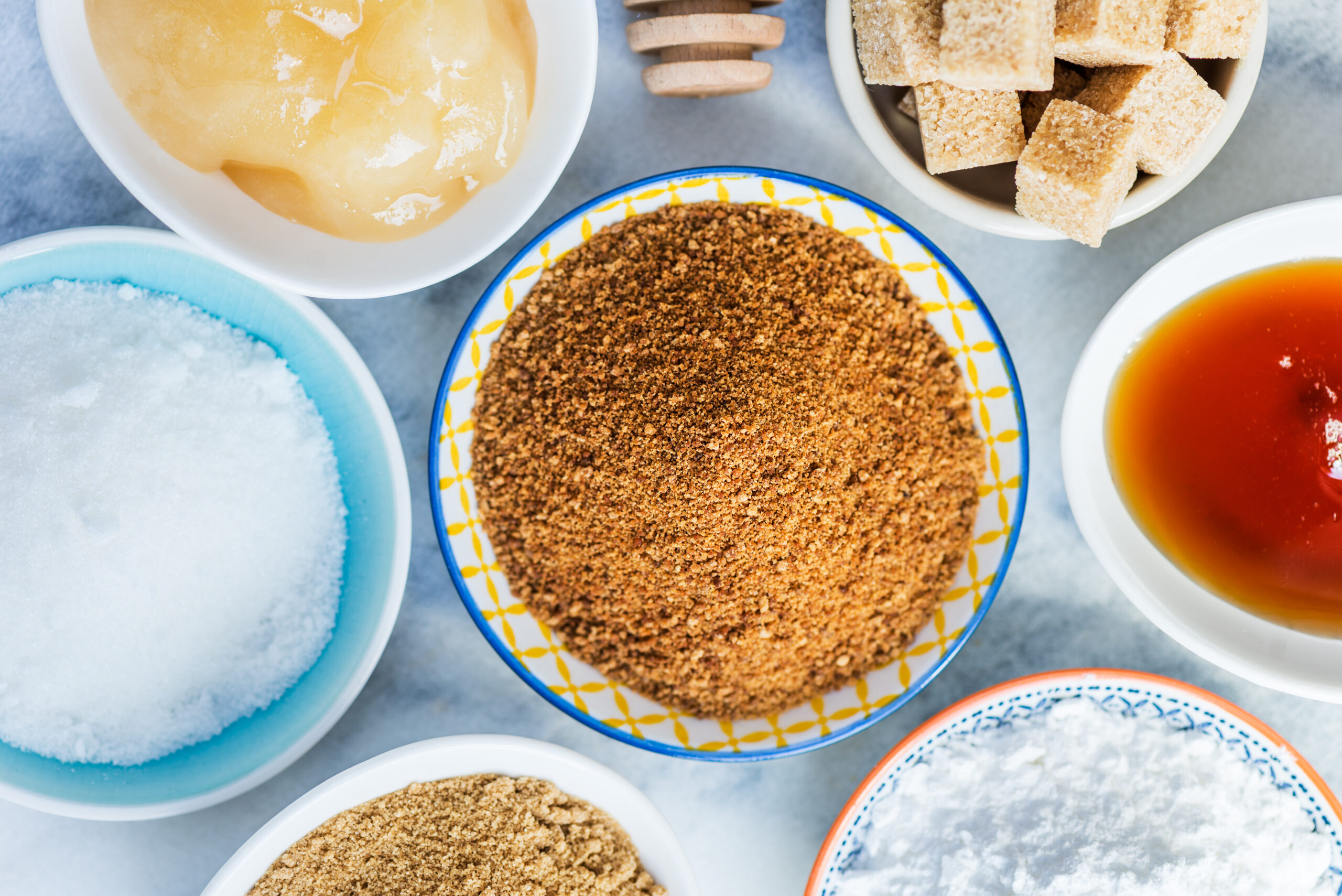
Sugar, Sweeteners, and Your Health
For many active adults, sugar is part of daily life—whether it’s honey in tea, agave nectar in smoothies, or brown sugar sprinkled on oatmeal. Yet, the type and timing of sugar intake can have lasting effects on your energy levels, mood, and long-term health. In coastal communities like Jupiter, Palm Beach Gardens, Juno Beach, and Tequesta, where staying active outdoors is a way of life, understanding how different sweeteners interact with your body helps you make smarter choices for sustained vitality.
Natural Sweeteners vs. Artificial Alternatives
Options like monk fruit sugar, agave nectar, and honey are often seen as “healthier” than refined white sugar. Monk fruit, for example, contains zero calories and does not spike blood glucose, making it an attractive alternative for those monitoring insulin levels. Honey and agave provide natural sweetness but still contain fructose, which can stress the liver if consumed excessively. Artificial sweeteners—commonly found in diet sodas and low-calorie snacks—don’t contain sugar, but some studies suggest they may alter gut bacteria and affect how your body responds to real sugar later on. For active adults, balance and moderation are key when incorporating these sweeteners.
Timing Matters: Sugar in the Morning vs. Before Bed
The timing of sugar consumption can dramatically influence how you feel. A small amount of natural sugar in the morning, paired with protein and fiber, may provide quick energy for workouts, golf, or beach walks. In contrast, consuming sweets before bed often leads to restless sleep, overnight blood sugar spikes, and even early-morning fatigue. For those managing blood sugar or insulin resistance, avoiding sugar at night is especially important to support healthy metabolism and prevent unnecessary strain on the pancreas.
Sugar’s Impact on Mood, Insulin, and Aging
Sugar intake is closely linked to mood and energy swings. A mid-morning pastry may cause a rapid rise in blood sugar, followed by a crash that leaves you irritable or sluggish. Repeated surges in insulin not only increase the risk of type 2 diabetes but also accelerate aging at the cellular level through processes like glycation, which damages skin elasticity and organ tissues. Artificial sweeteners, while marketed as “safe,” may also disrupt how your brain perceives sweetness, leading to cravings and overeating. For active adults, choosing nutrient-dense foods helps stabilize both mood and long-term health.
A Primary Care Approach to Wellness
At Jupiter Internal Medicine Associates, we encourage residents of Jupiter, Palm Beach Gardens, Juno Beach, and Tequesta to take a thoughtful approach to sugar and sweeteners. Simple steps—such as limiting added sugars, prioritizing whole fruits over processed desserts, and timing carbohydrate intake around physical activity—can protect your heart, stabilize your energy, and support graceful aging. Preventive care is not just about managing illness but about optimizing lifestyle choices today so you can continue enjoying golf, tennis, walking the beach, and spending time with loved ones for years to come. If you or a family member is concerned about your sugar intake, be sure to speak with one of our medical providers about sugar consumption and overall health at your next office visit.
Medical Resources in and Around Jupiter
- Residents of Jupiter and West Palm Beach can turn to Dr. Willy Philias for professional geriatric psychiatry, medication management, and Alzheimer’s disease assessment.
- For those who value individualized attention, Concierge Internal Medicine Associates delivers a boutique-style healthcare experience in Palm Beach County.
- Accountable Home Care assists seniors in Palm Beach County by referring them to licensed Home Health Aides and Certified Nurse Assistants for hourly care, daily living support, and memory care during health-related setbacks.
- Florida OrthoCare provides South Florida residents with Board-Certified physicians specializing in sports medicine, regenerative medicine, and comprehensive orthopedic care.