

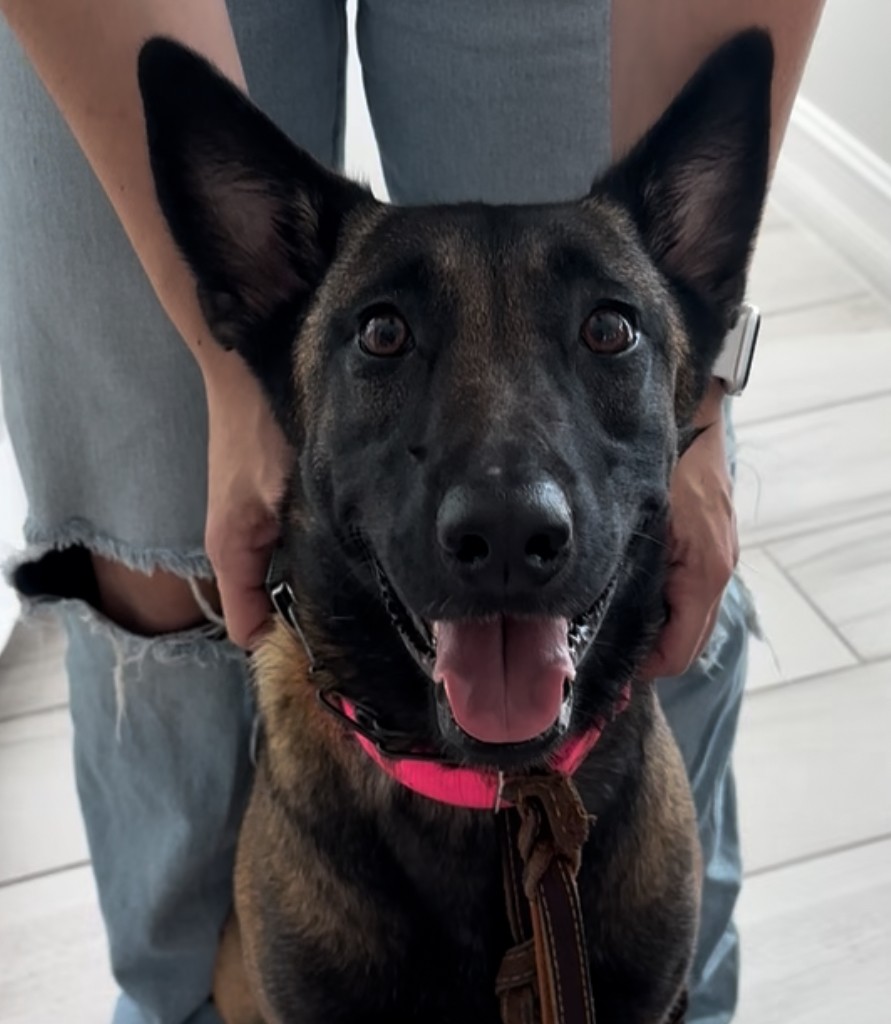
Dogs have long been celebrated as loyal companions, guardians, and working animals—but science continues to reveal even more extraordinary capabilities hidden behind their wagging tails and sharp senses. One of the most impressive? Their ability to detect diseases in humans with remarkable accuracy, often before conventional medical tests. Among the breeds proving especially adept at this groundbreaking work is the Belgian Malinois—a high-drive, intelligent, and highly trainable dog known for roles in law enforcement, military operations, and now, medical detection.
This article explores how Belgian Malinois and other working breeds are being trained to identify early signs of neurodegenerative diseases like Parkinson’s, and why their contributions could transform how we diagnose and monitor human health.
The Science of Canine Disease Detection
Dogs possess up to 300 million olfactory receptors in their noses (compared to about 5 million in humans), and the part of their brain dedicated to processing scent is 40 times larger than ours. This gives them the ability to detect incredibly faint odors—down to parts per trillion. Researchers have found that diseases can alter the body’s scent signature, releasing volatile organic compounds (VOCs) through sweat, breath, saliva, or skin that dogs can be trained to identify.
In disease detection trials, dogs have been used to detect:
- Cancer (prostate, lung, breast, colon, and more)
- Diabetes (especially hypoglycemic episodes)
- Epileptic seizures
- COVID-19
- Bacterial infections
- Parkinson’s disease and other neurodegenerative disorders
Parkinson’s Disease: An Early Target for Detection Dogs
Parkinson’s disease is a progressive neurological disorder marked by tremors, slowed movement, and cognitive changes. Unfortunately, by the time it is typically diagnosed, significant brain cell damage has already occurred. However, researchers have discovered that Parkinson’s may have a distinct odor, one that trained dogs can detect years before clinical symptoms appear.
A groundbreaking study in the UK, led by the charity Medical Detection Dogs, confirmed that trained canines could identify Parkinson’s through scent samples from patients. Another study published in ACS Central Science found that sebum (an oily substance secreted by the skin) contains specific compounds in people with Parkinson’s. Dogs could be trained to recognize this scent profile through skin swabs, potentially making early diagnosis more accessible and non-invasive.
Why the Belgian Malinois Excels in Disease Detection
The Belgian Malinois is an elite working breed with qualities that make it particularly well-suited for scent detection tasks:
- High intelligence and focus: Malinois are quick learners and can sustain attention for long periods—crucial for detailed scent training.
- Strong work ethic: Originally bred for herding, they thrive on challenge and purpose.
- Trainability: They respond well to advanced obedience training and complex commands.
- High energy and drive: Their athleticism and drive for reward make them exceptional candidates for sustained scent work.
These dogs are already used for narcotics and bomb detection, search and rescue, and military tracking. Training them to detect medical conditions is a natural extension of their abilities.
How Are Dogs Trained to Detect Diseases?
The process of training a dog—such as a Belgian Malinois—to detect disease involves several key stages:
- Sample Collection: Researchers gather biological samples (e.g., sweat, breath, sebum, urine) from both diseased and healthy individuals.
- Scent Discrimination: Dogs are exposed to various samples and taught to differentiate between “target” disease scents and control samples.
- Reward Association: Positive reinforcement (toys, treats, praise) is used each time the dog correctly identifies the disease-related sample.
- Repetition and Validation: Dogs are tested repeatedly in blinded trials to ensure consistency, accuracy, and reliability in detection.
Some dogs can identify disease markers with up to 90% accuracy, often outperforming traditional diagnostic tools, especially in the earliest stages.
Looking Ahead: Dogs in the Future of Medical Diagnosis
As research expands, dogs like Belgian Malinois may become a critical part of early disease detection and health monitoring. They could be used in clinics, senior living communities, airports, and even in patients’ homes to screen for conditions before symptoms arise—potentially saving lives and improving long-term outcomes.
In the future, researchers hope to combine canine scent detection with biosensor technology, potentially developing devices that mimic the accuracy of a dog’s nose. But until then, man’s best friend may remain one of the most powerful diagnostic tools we have.
The idea of a dog detecting Parkinson’s disease or cancer might sound like science fiction—but it’s quickly becoming science fact. The Belgian Malinois, with its exceptional nose and dedication to work, is proving to be not just a protector but a life-saving companion in the field of medical detection. As training techniques advance and awareness grows, the role of detection dogs in healthcare will only become more vital—and more impressive.
If you or a loved one is managing a chronic condition or interested in early detection efforts, consult your healthcare provider about current screening options. While dogs aren’t yet used in everyday diagnostics, their contributions are shaping a more proactive and personalized approach to medicine.
Medical Resources in and Around Jupiter
- Palm Beach Concierge Psychiatrist Dr. Willy Philias offers medication management and Alzheimer’s evaluations for adults and seniors residing in Jupiter and nearby areas.
- Concierge Internal Medicine Associates brings patients in Palm Beach County a boutique medical experience designed for truly personalized care.
- Accountable Home Care connects seniors in Palm Beach County with experienced Home Health Aides and Certified Nurse Assistants who deliver hourly care, daily living assistance, and memory care to help maintain comfort during health setbacks.
- Dr. Susan B. Poncy offers concierge-style women’s healthcare tailored to each patient, including perimenopause and menopause management, cancer screenings, and IV therapy.